As winter starts to back off and daylight stretches out a little longer, early March can be a smart window for expert wrap installation. Cold roads and salted surfaces tend to hang around longer than we’d like, but once the hard freezes taper off and the grime clears, conditions improve fast for vehicle graphics.
Starting in spring means smoother installs, better adhesion, and fewer issues with wrap wear later. But a good install does not rely on the calendar alone. How we prep the surface, time the work, manage materials, and handle seasonal conditions all make a big difference. This is what we focus on to get the best results before road season kicks into high gear.
Assessing the Surface After Winter
Winter leaves behind more than just potholes. Road salt, slush, grime, and even sand left from icy conditions can all cause trouble if they are not fully cleaned off before any vinyl goes near the surface.
• Salt or grit worked into seams or curves can stop wraps from bonding, causing bubbles or peeling later
• Chips and rust spots from flying debris need to be handled first, vinyl will not mask rough or broken paint
• Dents with sharp edges can cause weak points where wraps split or pull during normal road use
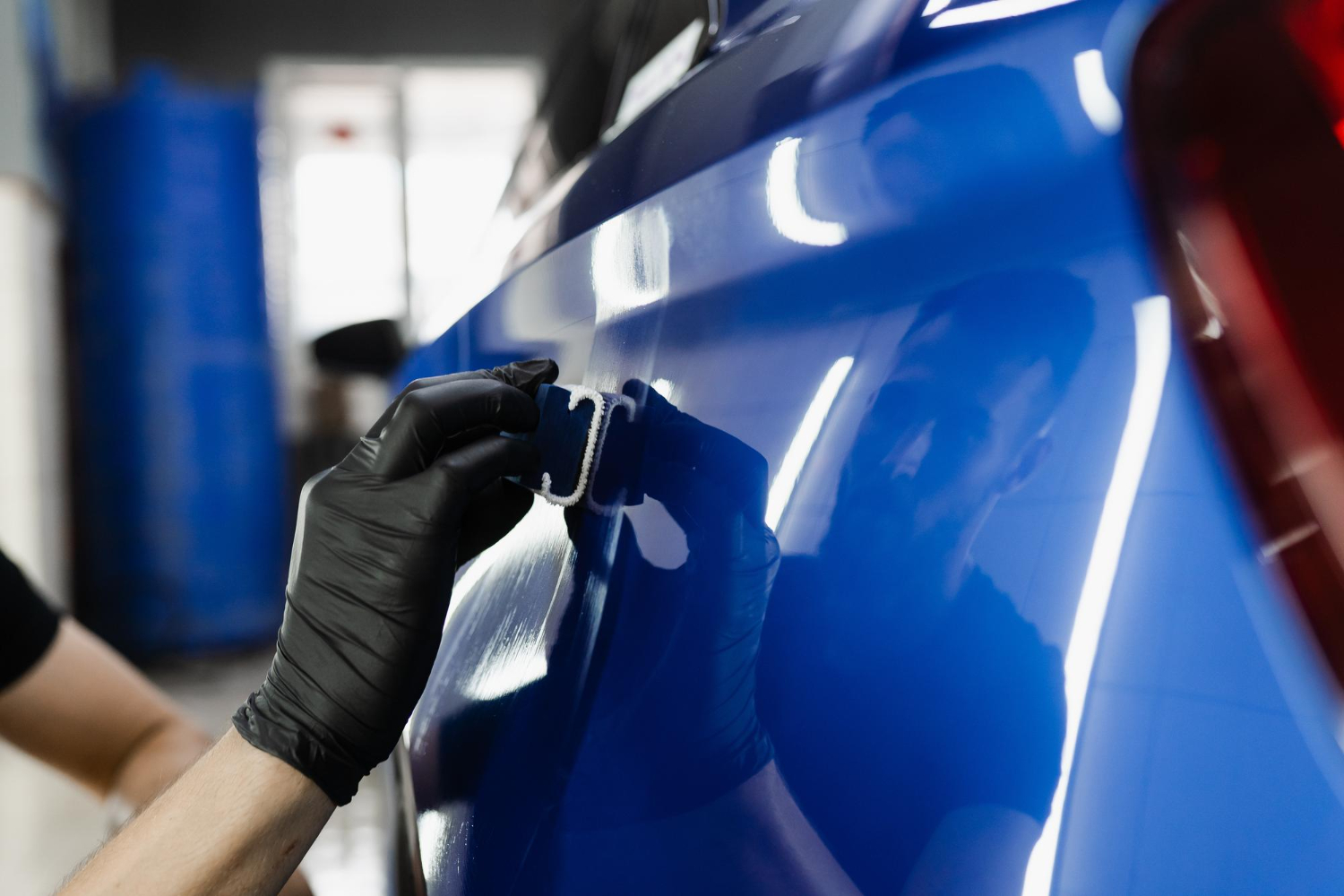
We always start with a full vehicle inspection before considering anything else. That means checking hood edges, wheel wells, tailgates, and other spots where buildup hides. Light exposure may only need a standard clean, but deep-set grime or minor damage calls for extra prep like polishing or minor bodywork to smooth things out before the wrap process begins.
Timing Your Installation the Right Way
Spring brings the kind of weather wrap materials like. Not too hot, not too cold. Vinyl bonds best in temperatures that are above freezing but not sweltering, ideally between morning chill and afternoon warmth. That range helps reduce shrinking or stretching that can happen with major swings in temperature.
Planning installations in early spring also helps beat the rush before fleets hit busy shipping seasons. We look for time windows where downtime is easier to schedule, especially for trucks or trailers headed back out soon after. A wrap that bonds well early on tends to last longer, with fewer quick fixes needed after the fact.
When we line up installs, we check for:
• Consistent daytime temperatures above 50°F
• Areas protected from rising moisture or spring storms
• Space for vehicles to sit indoors after wrapping without being rushed outside again too soon
These conditions help wraps cure properly and stay smooth from day one.
Material Tips and Prep for Spring Installs
Not all films handle spring shifts the same way. Some wrap materials do better in mild warmth and have more flexibility during early morning installs. Others need a tighter range to avoid early distortion. We always choose based on application type and use environment.
Before installation, we double-check that films have been stored flat or at a controlled temperature. Cold storage or damp areas can create edge curl or shrinkage, which shows up fast once it is unrolled. We also avoid installing too early in the morning if surfaces still have dew or light moisture on them.
What we look for during prep:
• Wrap film that has conditioned at room temperature before use
• Clear storage rules followed (like keeping rolls upright and sealed)
• Surfaces fully dry with no fogging or condensation
Getting this part right might take some setup time, but it avoids stretched wraps, creased corners, and quick fail points weeks down the line.
Handling Large Format and Fleet Graphics
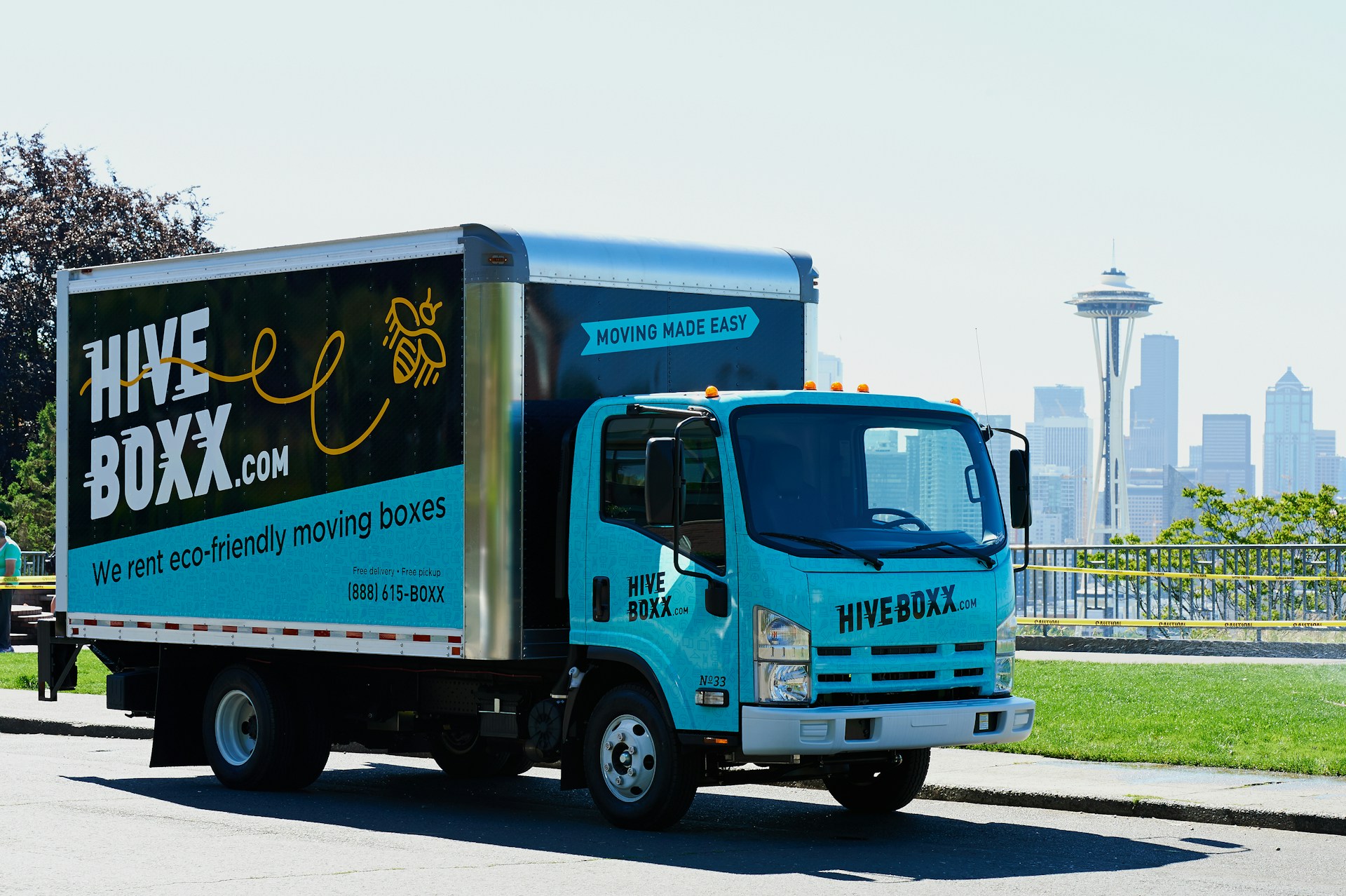
Fleet and trailer installs have their own set of prep rules. These wraps often span wide surfaces and cover moving parts like door seams, panels, or rivets that winter grime can hide inside. Rust flakes or grit in these areas create weak bonds for the vinyl and could lead to gaps or peeling.
We take time to check the finer details:
• Panel edges can hold moisture or salt that pulls wraps loose
• Aluminum or steel may show signs of wear that vinyl covers but cannot fix
• Rounded corners or deeply recessed areas need extra heat to lay smoothly
For shipping fleets or service vehicles needing quick turnaround, spring installs help balance warm conditions with flexible scheduling. The goal is to apply graphics before heavy road miles stack up or weather shifts get in the way again.
Keep Spring Conditions From Interfering
Spring weather can be tricky. While it is better than freezing cold, conditions like wind, pollen, or high moisture can cause fresh vinyl to stick incorrectly. We always choose our timing and space based on what nature is doing that week.
Indoor bays are ideal if there is wind or passing showers. Outdoor setups can still work, but we are careful about pollen on dark-colored vehicles since it shows through or traps under clear wrap layers. We also make sure that any cleaning happens right before install, not hours earlier when debris could settle again.
After installation, keeping the vehicle clean for a few days really helps. No automatic washes, no harsh cleaners, and definitely no polish or wax. That gives the vinyl enough time to fully cure without being pushed around or softened.
Smart Wrap Prep Makes All the Difference
Hyperformance Graphics uses advanced large format digital printing and installation methods to give businesses a reliable wrap process year-round. Our precise prep standards and material choices are designed to work for commercial vehicles, specialty fleets, and large graphics across North Carolina and beyond.
Early spring really does create a solid window for expert wrap installation if prep is done right. Warmer temps mean fewer weather delays and better film flexibility, but that does not matter much if surfaces are still coated in salt or full of small damage from winter.
The secret to a strong, smooth result lies in the basics: clean surfaces, body checks, proper materials, and good timing. These are not flashy steps, but they are the ones that save headaches down the road. When we take care of all that upfront, wraps not only look better but hold up longer through the season and into the next.
Planning ahead for vehicle wraps means considering timelines, weather, and proper surface preparation to secure a smooth installation and lasting results. Whether your project involves a single work vehicle or an entire fleet, we support every step from start to finish. For clients who need reliable application and removal, our process begins with understanding your specific needs and any climate challenges that may impact performance. Learn more about our approach to expert wrap installation and what to expect by reaching out directly to Hyperformance Graphics. Let’s discuss your project plans and get your schedule set.